
For solar importers, shipping and logistics planning is just as important as product selection. Even when the right module solution has been identified, weak preparation around transportation, documentation, warehousing, or delivery timing can create costly delays for downstream business operations. In global PV trade, logistics readiness is not a side issue. It is part of the buying decision itself.
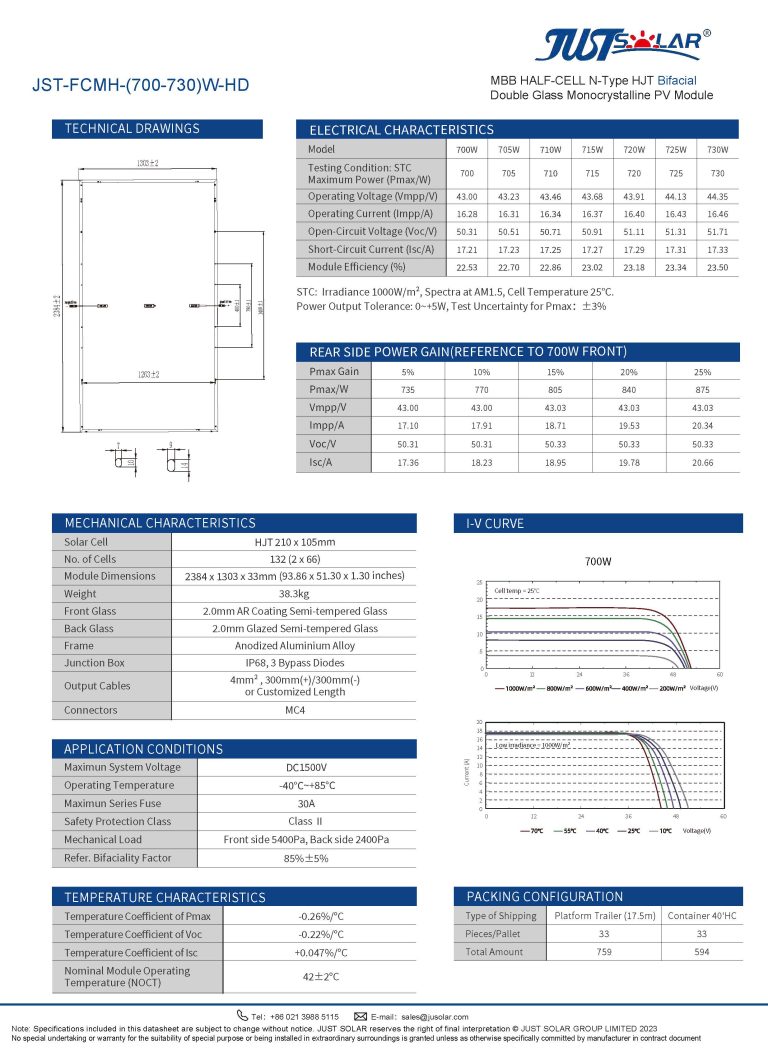
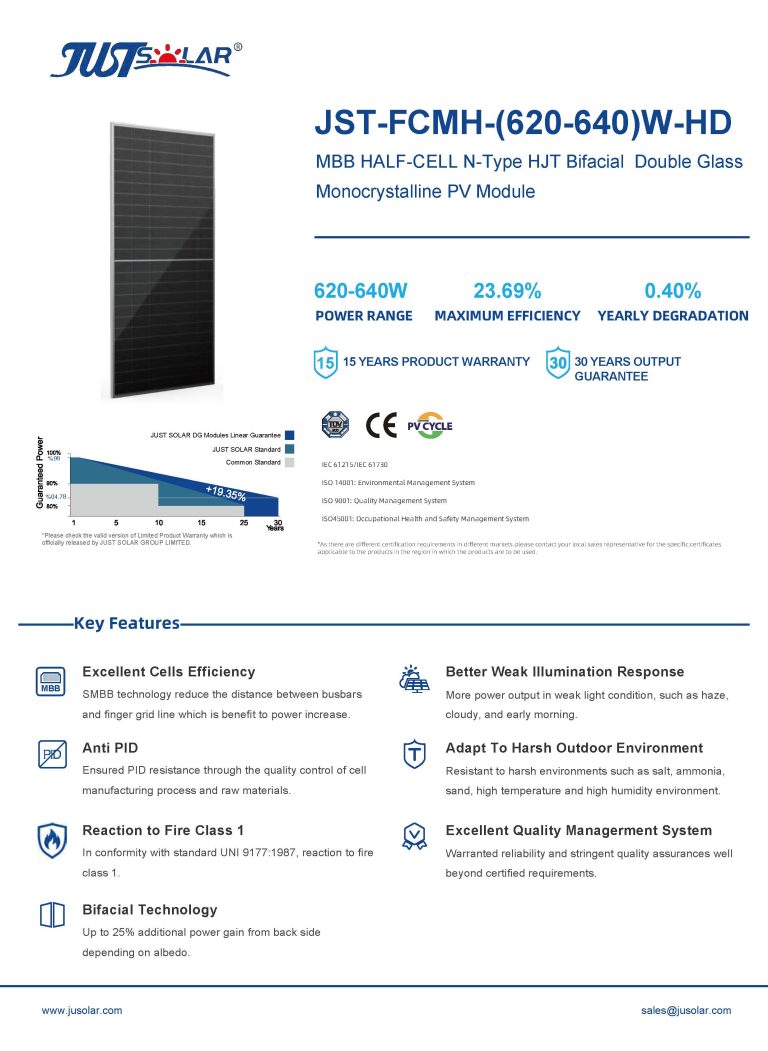
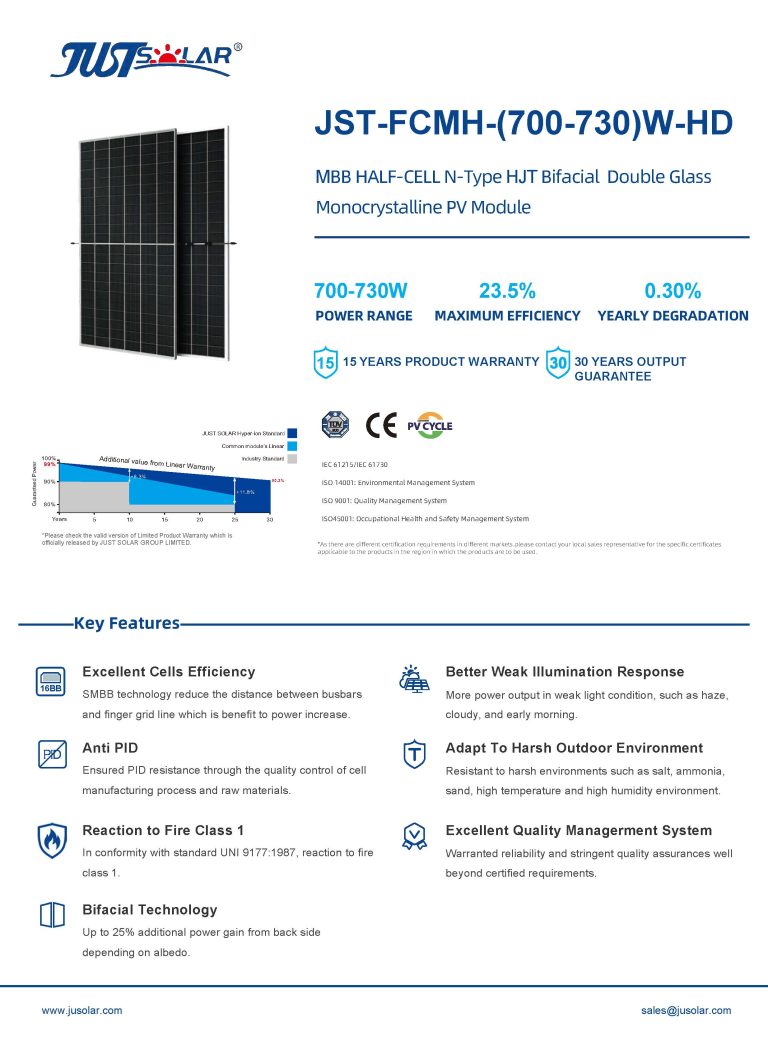
Importers, distributors, and project-oriented buyers often work under tight scheduling pressure. Product arrival timing can affect customer commitments, installation schedules, warehouse planning, and internal sales coordination. That is why experienced buyers increasingly evaluate not only product suitability, but also the overall logistics communication that supports the transaction. This is especially relevant when planning procurement of high-power product lines such as TOPCon bifacial modules in 600W, 640W, and 730W configurations, where packaging, handling, and delivery coordination must align with real business use.
Why logistics planning matters in solar module importing
Solar module procurement is closely linked with packaging, container utilization, customs preparation, inland transportation, and storage coordination. When any one of these elements is handled poorly, the entire chain can slow down. For importers, the most practical approach is to think about delivery from the beginning of the sourcing process rather than only after production or shipment is ready.
Good logistics preparation helps importers answer important questions in advance. Is the shipment intended for warehouse stock or direct project supply? Will the goods move through a port with known congestion risks? Does the receiving side have the equipment and space needed for unloading and handling? Can the team match shipping documents with customs and internal inventory workflows? These questions should be part of early planning.
Documentation readiness is part of logistics readiness
In many importing workflows, documentation is one of the most overlooked operational risks. Importers should make sure product descriptions, shipping details, and supporting files are consistent before cargo moves. Internal confusion over model references, package counts, or documentation handoff can slow down goods handling after arrival.
From a B2B perspective, logistics communication should be clear, practical, and structured. Buyers benefit when shipment-related communication includes product identification logic, expected handling flow, and the documents needed for each operational step. This is especially important for companies serving multiple downstream customers or distributing products across different channels.
Warehouse planning and receiving preparation
Importers who receive solar modules into storage should prepare their warehouse operations before the shipment arrives. This includes confirming unloading capacity, pallet handling equipment, inspection workflow, inventory recording, and storage layout. A well-prepared warehouse reduces transition friction between delivery and sell-through.
Some buyers operate with mixed workflows, holding part of incoming stock while also preparing project-specific dispatch. In these cases, internal coordination becomes even more important. Product traceability, package control, and communication between logistics staff and sales teams can directly affect fulfillment quality. Buyers evaluating utility-scale or commercial deployment may also need to consider how different module formats, including 600W+ bifacial products, affect handling plans and storage organization.
Container and route planning considerations
Shipping routes, container planning, and delivery timing should align with the buyer’s business model. Importers focused on broad distribution may prioritize predictability and warehouse integration. Project-driven buyers may focus more on delivery timing and downstream coordination. In both cases, the key issue is not simply movement of goods, but how well the logistics flow supports real business use.
Importers should also think about contingency planning. Port congestion, inland transport bottlenecks, documentation mismatches, and receiving delays can all affect operational efficiency. Building more resilient logistics planning reduces pressure later in the process.
What B2B buyers should communicate early
To improve logistics coordination, importers should communicate their operational needs as early as possible. This includes destination market, target delivery scenario, receiving method, warehousing model, and expected downstream use. The more clearly this is defined, the easier it becomes to align shipping communication with practical business requirements.
Buyers who combine sourcing clarity with logistics planning are usually better positioned to reduce delays and improve internal execution. In global solar trade, stronger logistics preparation supports stronger customer service and smoother market development.
Related reading for global solar buyers
If you are reviewing sourcing readiness more broadly, you may also find these articles useful:
- How PV Distributors Can Evaluate Solar Module Suppliers More Effectively
- Emerging Solar Market Demand Analysis for Global B2B Buyers
- Solar Industry Trends in 2026: What Global B2B Buyers Should Watch
Conclusion
For solar importers, logistics planning is part of business planning. The most effective buyers think about shipping, documentation, receiving, and downstream execution as one connected workflow. In practice, the companies that prepare better logistics systems also put themselves in a better position for smoother distribution, stronger project coordination, and more reliable long-term market development.
Contact JUST SOLAR
To discuss your solar module sourcing needs, contact our team at frank@jusolar.com or WhatsApp: +86 17717303786.
JUST SOLAR continues to share practical content for importers, distributors, EPCs, and project-oriented solar professionals across global PV markets.